CBSE gives more time to Class 12 students to apply for re-evaluation, extends deadline by a day
The last date for submission of applications, which was earlier scheduled to end on June 6 at midnight, has now been pushed to June 7 at midnight.
The clarification comes after sections of students raised doubts over their marks following the declaration of the CBSE Class 12 results, particularly after the overall pass percentage dipped from 88 per cent last year to 85 per cent this year.





New Delhi: Students check their results on their smartphone after the CBSE declared results for Class 12 Board examinations, in New Delhi (Photo: IANS)
Amid growing concerns among students over alleged discrepancies in Class 12 board exam evaluation, the Ministry of Education on Sunday defended the newly reintroduced digital assessment process, asserting that extensive safeguards and multiple layers of verification had left “no scope” for marking or totalling errors in the final results.
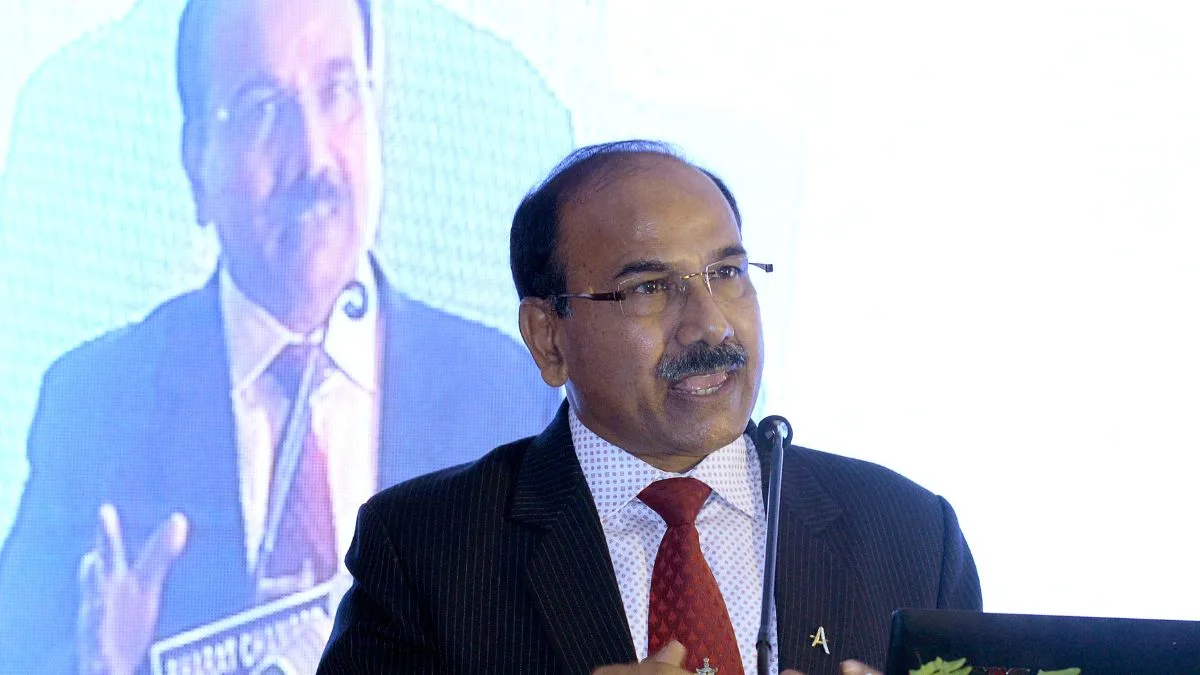
Addressing a press conference in the national capital, Secretary, Department of School Education and Literacy, Sanjay Kumar, said the Central Board of Secondary Education had adopted the On-Screen Marking (OSM) system for evaluation this year with strict monitoring and enhanced security protocols.
Advertisement
The clarification comes after sections of students raised doubts over their marks following the declaration of the CBSE Class 12 results, particularly after the overall pass percentage dipped from 88 per cent last year to 85 per cent this year.
Advertisement
Sanjay Kumar said the On-Screen Marking system is not a newly introduced mechanism and had originally been initiated by the CBSE in 2014. However, technical infrastructure limitations at the time prevented its continuation.
According to him, the system has now been revived with upgraded technology and extensive examiner training to ensure accuracy in assessment.
He said answer sheets of nearly 98 lakh students were scanned and converted into digital PDF copies before evaluation began. The process, he added, was conducted under a three-tier security mechanism to avoid tampering or discrepancies.
Kumar maintained that one of the biggest advantages of the digital system was the elimination of human errors in totalling marks, an issue that had occasionally surfaced under manual evaluation methods.
While defending the integrity of the digital marking process, the Ministry acknowledged that a small number of answer sheets faced technical readability issues during scanning.
Sanjay Kumar said nearly 13,000 answer sheets could not be properly scanned because students had used extremely light-coloured ink, making portions of the scripts unclear in digital format.
He said those copies were separated from the online system and manually checked by teachers before marks were uploaded.
According to the Ministry, repeated scanning attempts were made before the answer sheets were shifted to manual assessment to ensure that no student was disadvantaged due to technical limitations.
Advertisement